A Guide to Keeping Alpacas in Your Home Garden
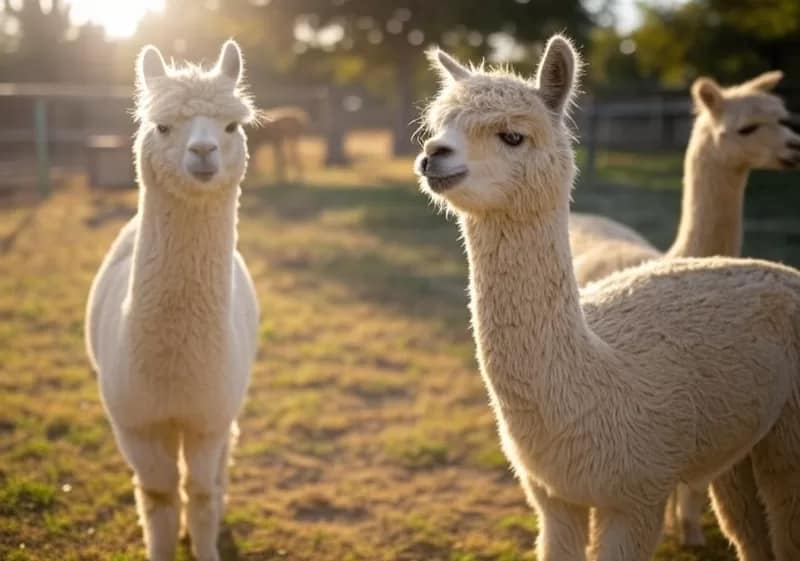
Alpacas are gentle and curious animals that can bring charm and utility to your home garden. They are excellent for fiber production, natural grazing, and even companionship. This guide covers the essential aspects of keeping alpacas, from their space requirements to daily care.
Why Keep Alpacas?
Alpacas offer numerous benefits:
- Fiber: Their fleece is soft, hypoallergenic, and highly sought after for spinning and weaving.
- Grazing: Alpacas are efficient grazers, keeping grass and weeds under control.
- Manure: Alpaca manure is an excellent fertilizer that can be used directly in gardens.
- Companionship: They are social, curious, and easy to bond with.
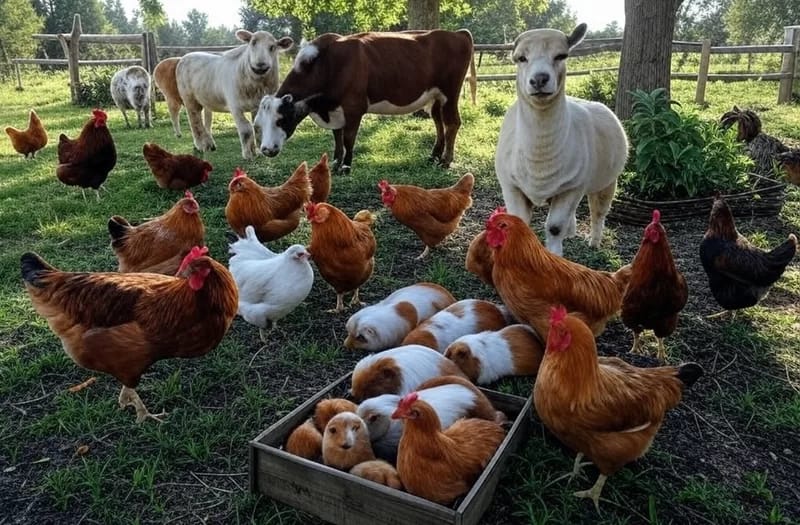
- Guardians: Alpacas can help protect smaller livestock like chickens or goats from predators.
Choosing the Right Alpacas
The type of alpaca you choose depends on your goals:
- Huacaya Alpacas: Known for their fluffy, crimpy fleece, ideal for spinning.
- Suri Alpacas: Produce silky, lustrous fleece that drapes beautifully.
Do Alpacas Need Companions?
Yes, alpacas are herd animals and should never be kept alone. Ideally, you should keep at least two or three alpacas together to ensure they feel secure and comfortable.
Shelter and Space Requirements
Space Requirements:
- Grazing Area:
- Alpacas need about 1 acre of pasture per 2-3 alpacas.
- Rotate grazing areas to prevent overgrazing and maintain healthy pasture.
- Shelter:
- Provide a weatherproof shelter with at least 30-50 square feet per alpaca.
- Ensure the shelter is well-ventilated and protected from extreme weather.
Fencing:
- Use strong, secure fencing at least 4-5 feet high to contain alpacas and deter predators.
- Avoid barbed wire, which can injure alpacas.
Daily and Weekly Tasks
Daily Tasks:

- Feeding:
- Provide fresh hay or pasture grass as the primary diet.
- Offer alpaca pellets or supplements if needed.
- Ensure constant access to clean, fresh water.
- Health Check:
- Observe for signs of illness, injury, or abnormal behavior.
- Cleaning:
- Remove manure from feeding and shelter areas to maintain hygiene.
Time Required: 20-30 minutes daily.
Weekly Tasks:
- Grooming:
- Brush alpacas to remove debris and loose fiber.
- Shelter Maintenance:
- Replace bedding and clean the shelter thoroughly.
- Pasture Management:
- Check fencing and gates for damage.
- Rotate grazing areas to promote healthy pasture growth.
Time Required: 1-2 hours weekly.
Best Location and Garden Layout
- Shelter Location:
- Place the shelter in a shaded, elevated area to avoid flooding and provide comfort in hot weather.
- Nearby Items:
- Compost Bin: Use alpaca manure to enrich your garden compost.
- Tool Storage: Keep brushes, feed containers, and other tools nearby.
- Water Source: Ensure a nearby tap or rainwater collection system for convenience.
Diet and Feeding
Basic Diet:
- Hay and Forage:
- Provide high-quality hay or allow access to well-maintained pasture.
- Avoid overgrazing to prevent nutritional deficiencies.
- Grain:
- Offer alpaca pellets as a supplement, especially for pregnant or lactating females.
- Minerals:
- Provide free-choice mineral blocks formulated for alpacas.
Treats:
- Apples, carrots, and leafy greens can be offered in moderation.
Pests and Predators
Alpacas can attract pests and face threats from predators. Here’s how to manage them:
Pests:
- Flies and Parasites:
- Keep the shelter and pasture clean to minimize flies and internal parasites.
- Use natural repellents or approved treatments as needed.
Predators:
- Common Threats: Coyotes, foxes, and stray dogs.
- Prevention:
- Use secure fencing and consider guardian animals like livestock dogs or llamas.
- Lock alpacas in their shelter at night.
Additional Tips for Beginners
- Shearing: Shear alpacas once a year, typically in spring, to keep them cool and harvest fleece.
- Vaccinations: Follow a vaccination schedule as recommended by a veterinarian.
- Socialization: Spend time with your alpacas daily to build trust and reduce stress.
- Breeding: If breeding alpacas, learn about proper care for pregnant females and cria (baby alpacas).
- Record Keeping: Track health checks, shearing schedules, and expenses.
Keeping alpacas in your home garden can be a rewarding experience, offering valuable products and ecological benefits. With proper care, alpacas will thrive and bring joy and utility to your homestead.
Further reading from our affiliate, Amazon
Alpaca Keeping Raising Alpacas – Step by Step Guide Book… farming, care, diet, health and breeding – Paperback, 2014 by Harry Fields
Alpaca. Alpacas as Pets. Alpaca book for care, costs, behavior, feeding, health, play and exercise. Paperback, 2017 by Clive Summerton
Related stories
Our Gardening section
Permaculture Design Course – The Function of Animals in Organic Gardens
See our Guides for Keeping:
Alpacas ° Bees ° Chickens ° Cows ° Fish ° Goats ° Guinea Pigs & Rabbits ° Worms
° Attracting Butterflies, Birds & Beneficial Insects to Your Garden
° How to Build a Beneficial Bug Hotel for Your Backyard
° Beekeeping Supplies: A Guide to the Essentials
Nesting Boxes: Creative Upcycling for Wildlife Conservation
Growing Herbs in Containers on Apartment Balconies
Australia’s best tasting heirloom tomatoes
Global Food Production Dilemma: Grow & Buy Local
Moss is vital for the health of soils – here’s why