

Beekeeping Supplies: A Guide to the Essentials
Starting your beekeeping journey requires the right tools and equipment. Investing in quality supplies ensures the safety of both you and your bees while setting you up for long-term success. This guide provides detailed information on the necessities and optional extras, along with tips for selecting high-quality products.
Essential Beekeeping Supplies


1. Bee Hives
The hive is the home for your bees, providing space for them to build comb, store honey, and raise brood. Cheaper hives often use lower-grade wood that warps or deteriorates quickly, while higher-end hives use durable materials like cedar, which resist weather and pests.
- Types:
- Langstroth Hive: Modular design, ideal for beginners and professionals.
- Top-Bar Hive: Simple, low-maintenance option.
- Flow Hive: Innovative design for easy honey extraction.
- What to Look For:
- Durable materials like cedar or pine.
- Well-constructed joints to prevent gaps.
- Easy-to-clean surfaces.
2. Protective Gear


Protects you from stings while working with your bees. Inexpensive gear may tear easily and offer poor ventilation, whereas premium gear is made with durable, breathable materials and provides better visibility and coverage.
- Necessities:
- Bee suit or jacket with veil.
- Gloves for hand protection.
- Boots or closed-toe shoes.
- What to Look For:
- Lightweight, breathable fabric for comfort.
- Secure zippers and elastic closures.
- Full visibility through the veil.


3. Smoker
Calms bees and reduces defensive behavior during inspections by masking alarm pheromones. Cheaper smokers may have weak bellows and thin metal that rusts quickly, while higher-quality smokers are sturdier, easier to use, and last longer.
- What to Look For:
- Durable stainless steel construction.
- Heat guard for safety.
- Bellows that produce consistent smoke.
4. Hive Tool

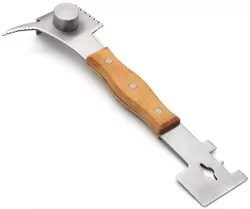
- Purpose: A multi-functional tool for prying open hives, scraping wax, and removing frames with ease.
- What to Look For:
- Sturdy metal construction.
- Comfortable grip.
- Dual ends for versatility (flat and hooked).
- Differences in Quality:
- Lower-cost tools may bend or snap under pressure, whereas premium tools are made from high-grade steel that withstands heavy use.
5. Bee Brush
- Purpose: Gently removes bees from frames without harming them.
- What to Look For:
- Soft bristles.
- Durable handle.

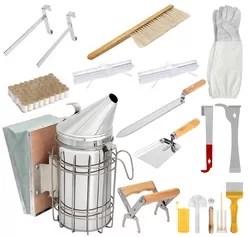
6. Feeder
- Purpose: Provides supplemental feeding during times of low nectar availability.
- Types:
- Entrance feeders.
- Frame feeders.
- Top feeders.
- What to Look For:
- Ease of refilling.
- Minimal risk of drowning bees.
Optional Extras
1. Honey Extractor
- Purpose: Extracts honey from combs without damaging the frames.
- What to Look For:
- Stainless steel construction for durability and easy cleaning.
- Manual or electric operation based on your scale.
- Smooth spinning mechanism.
2. Queen Excluder
- Purpose: Prevents the queen from laying eggs in the honey supers.
- What to Look For:
- Metal or plastic with evenly spaced gaps.
- Smooth edges to avoid damaging bees.
3. Frame Gripper
- Purpose: Helps lift frames without direct contact.
- What to Look For:
- Non-slip grip.
- Sturdy construction.
4. Bee Escape
- Purpose: Assists in clearing bees from supers before honey extraction.
- What to Look For:
- Effective design to minimize disruption.
5. Solar Wax Melter
- Purpose: Melts beeswax for reuse or crafting.
- What to Look For:
- Heat-resistant glass or plastic cover.
- Insulated construction for efficiency.
Tips for Selecting Quality Beekeeping Supplies
- Invest in Durability: High-quality materials like stainless steel, cedar, or pine ensure your equipment lasts longer.
- Prioritize Safety: Choose protective gear that fits well and offers complete coverage.
- Ease of Use: Look for tools and equipment designed for efficiency and minimal effort.
- Check Reviews: Read reviews and seek recommendations from experienced beekeepers.
- Buy Locally When Possible: Supporting local suppliers ensures your gear suits your region’s specific conditions.
Buy Quality
While it may be tempting to save money with cheaper supplies, investing in quality equipment pays off in the long run. Durable tools and well-made hives reduce maintenance costs and improve your beekeeping experience. Quality gear also ensures the health and productivity of your bees, making it a worthwhile investment.
Starting with the right beekeeping supplies sets the foundation for a successful and enjoyable experience. Whether you’re a beginner or looking to upgrade your equipment, prioritize quality to ensure safety, efficiency, and sustainability in your beekeeping journey.


Further reading from Amazon
The Beekeeper’s Bible: Bees, Honey, Recipes & Other Home Uses, Hardcover, 2011 by Richard A. Jones , Sharon Sweeney-Lynch
Related stories
Our Gardening section
Permaculture Design Course – The Function of Animals in Organic Gardens
See our Guides for Keeping:
Alpacas ° Bees ° Chickens ° Cows ° Fish ° Goats ° Guinea Pigs & Rabbits ° Worms
° Attracting Butterflies, Birds & Beneficial Insects to Your Garden
° How to Build a Beneficial Bug Hotel for Your Backyard
° Beekeeping Supplies: A Guide to the Essentials
Nesting Boxes: Creative Upcycling for Wildlife Conservation
Growing Herbs in Containers on Apartment Balconies
Australia’s best tasting heirloom tomatoes
Global Food Production Dilemma: Grow & Buy Local
Moss is vital for the health of soils – here’s why