Humanity is triggering extinctions at rates not seen since the Earth’s largest mass extinction event 66 million years ago.
But what if we could reverse this? Can and should we bring animals back from Extinction?
The Museums Victoria Research Institute is leading a groundbreaking de-extinction project to bring the Tasmanian Tiger back from the dead.
De-extinction is the process of using new developments in DNA sequencing and genetic engineering to resurrect extinct animals.
On 7 September 1936 – just two months after the species was granted protected status – the last known Tasmanian Tiger (thylacine) died from exposure at the Beaumaris Zoo in Hobart. It is estimated there were around 5,000 thylacines in Tasmania at the time of European settlement.
Museums Victoria Research Institute has embarked this year on preserving and culturing the living cells of wildlife. The institute’s Dr Kevin Rowe said:
“The attempt to resurrect a species from an extinction we caused through our wanton disregard for nature is an inspiring challenge as great as interplanetary travel. We pursue the challenge because we know it is hard, because in pursuing it we will learn so much we didn’t realise we needed to know about the nature of wildlife and its survival.”
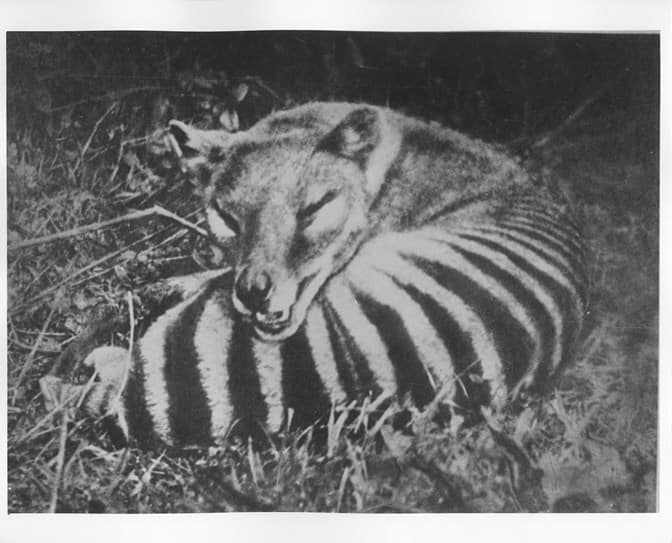
Source Archives Office of Tasmania via Museums Victoria PR
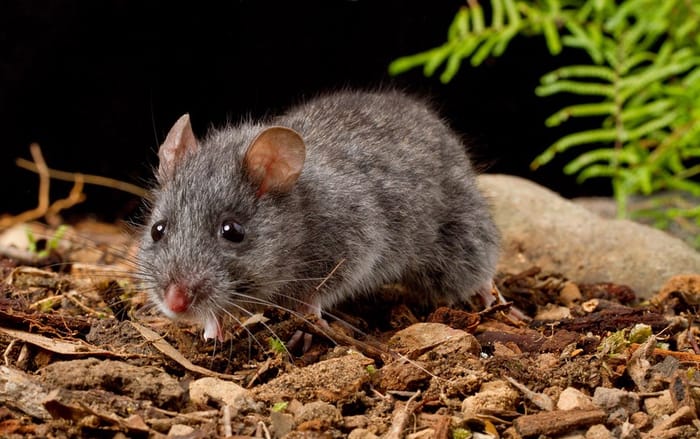
Museums Victoria Research Institute’s shotgun genome sequences have been produced from studies on Smoky Mice living in the Grampians, as well as historical samples dating back to 1934 from extinct populations in the Otways and Far East Gippsland.
This promising new tool in conservation biology is being met with optimism as well as concern. What does looking to the past have to do with reversing extinction today? How will these efforts look to the future supporting endangered species like the Smoky Mouse and the Koala, whose declining numbers were exacerbated by 2020’s devastating bushfires?
Dr Kevin Rowe said: “De-extinction and the recovery of nature lost will only succeed if we as a species are inspired to make the investments needed in nature research and in healing nature. Attempting to resurrect species from extinction demands and will support a deeper understanding of living wildlife.”
Feeding into the current debate among scientists and media, Museums Victoria will host a discussion at 6.30pm, Thursday, 6 October, 2022 exploring the scientific and ethical dilemmas facing this new frontier.
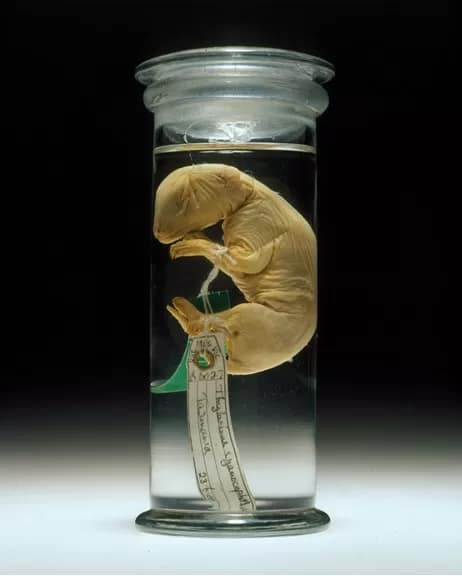
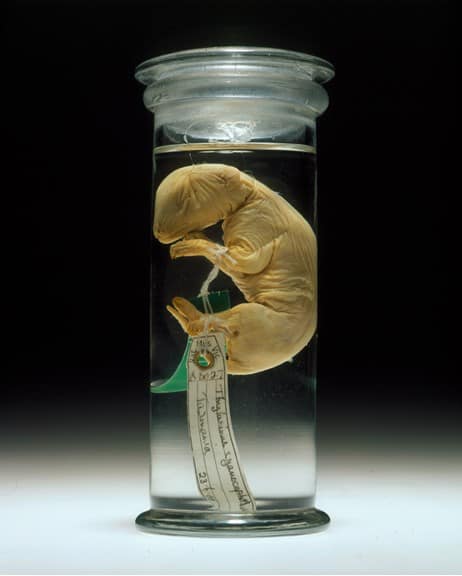
Featuring Museums Victoria Research Institute’s Dr Kevin Rowe, Senior Curator of Mammals and University of Melbourne’s Andrew Pask, Professor of Genetics, and an international speaker, Future Forums will reveal how skins, skeletons and other traditional museum specimens (like the Thylacine joey, preserved and maintained by Museums Victoria for over a century) are offering new scientific grounds for returning species like the woolly mammoth and the Thylacine to their natural habitats.
The sixth instalment of Museums Victoria’s Future Forums discussion series, ‘Reversing Extinction’ will look at recent biological and technical breakthroughs which suggest that reviving extinct animals could soon become a reality.
This edition of Future Forums follows the recent announcement by the DNA Zoo of a full chromosomal length reference genome for the endangered Australian Smoky Mouse, using a sample provided by Museums Victoria Research Institute in its long-term work on Smoky Mice.
Museums Victoria CEO & Director, Lynley Crosswell said Museums Victoria is pleased to host a Future Forums conversation that will seize on the scientific and ethical questions brought up by these hugely exciting breakthroughs.
“We are proud to provide a Forum for this vital, progressive discussion on cryopreservation, as well as a platform for these preeminent researchers, who are at the forefront of progressing the recovery of lost diversity in the future.”
Advertisement:
Related stories
Tasmania’s Extinction Debate: Maugean Skate or Jobs?
Unfit Forest Surveys Fuel Wildlife Extinction Crisis in NSW
Australia’s elusive Quolls headed for extinction
What can NSW Government do to stop koala extinction?